Fermentation Mode 

Mode Spotlight

Fermentation Mode 

What is it?

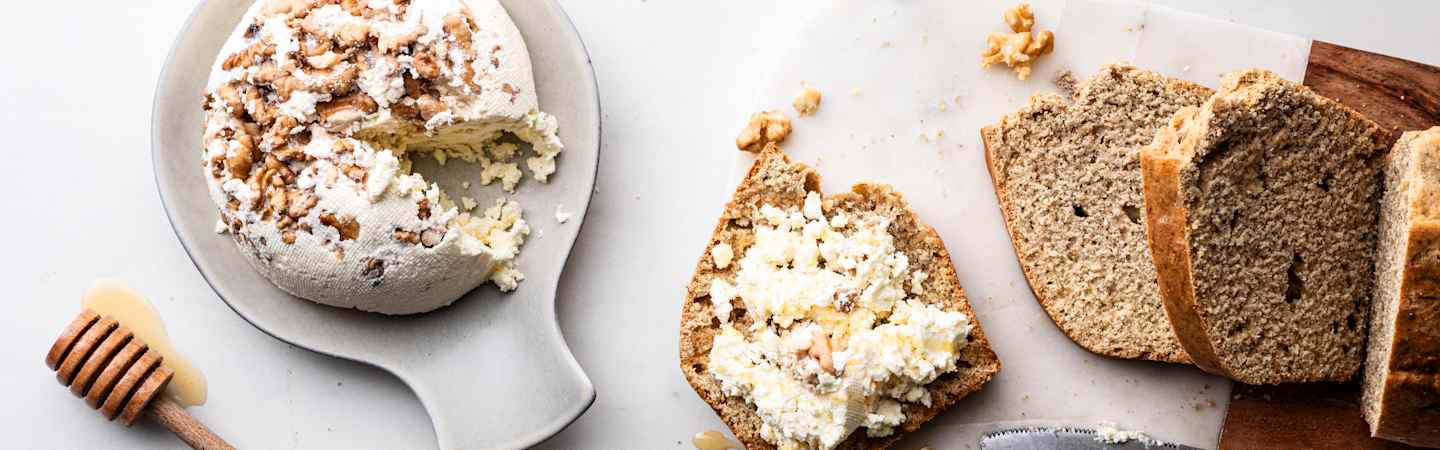
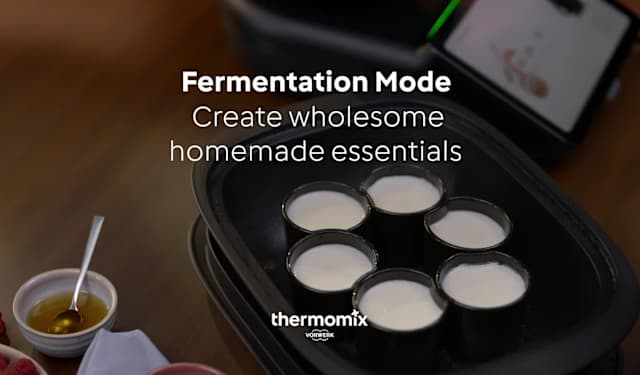
Fermentation mode helps you create the ideal conditions for homemade cheese, perfectly proofed dough, and cultured yogurt.

How does it work?

Thermomix® provides precise temperature control from 100–160°F, creating optimal conditions for yeast and probiotic cultures to grow.
Works best for:

  • Bakers who want more precise proofing for better bread dough.
  • Health-conscious cooks looking for a nutritious, affordable breakfast or snack.
  • Adventurous cooks ready to try cheesemaking and quick fermentation at home.

Did you know...?

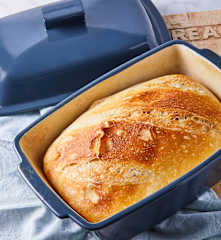
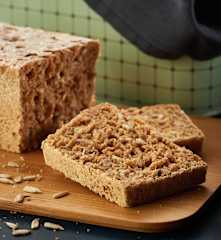
Fermentation Mode can help you produce perfect loaves of bread every time.

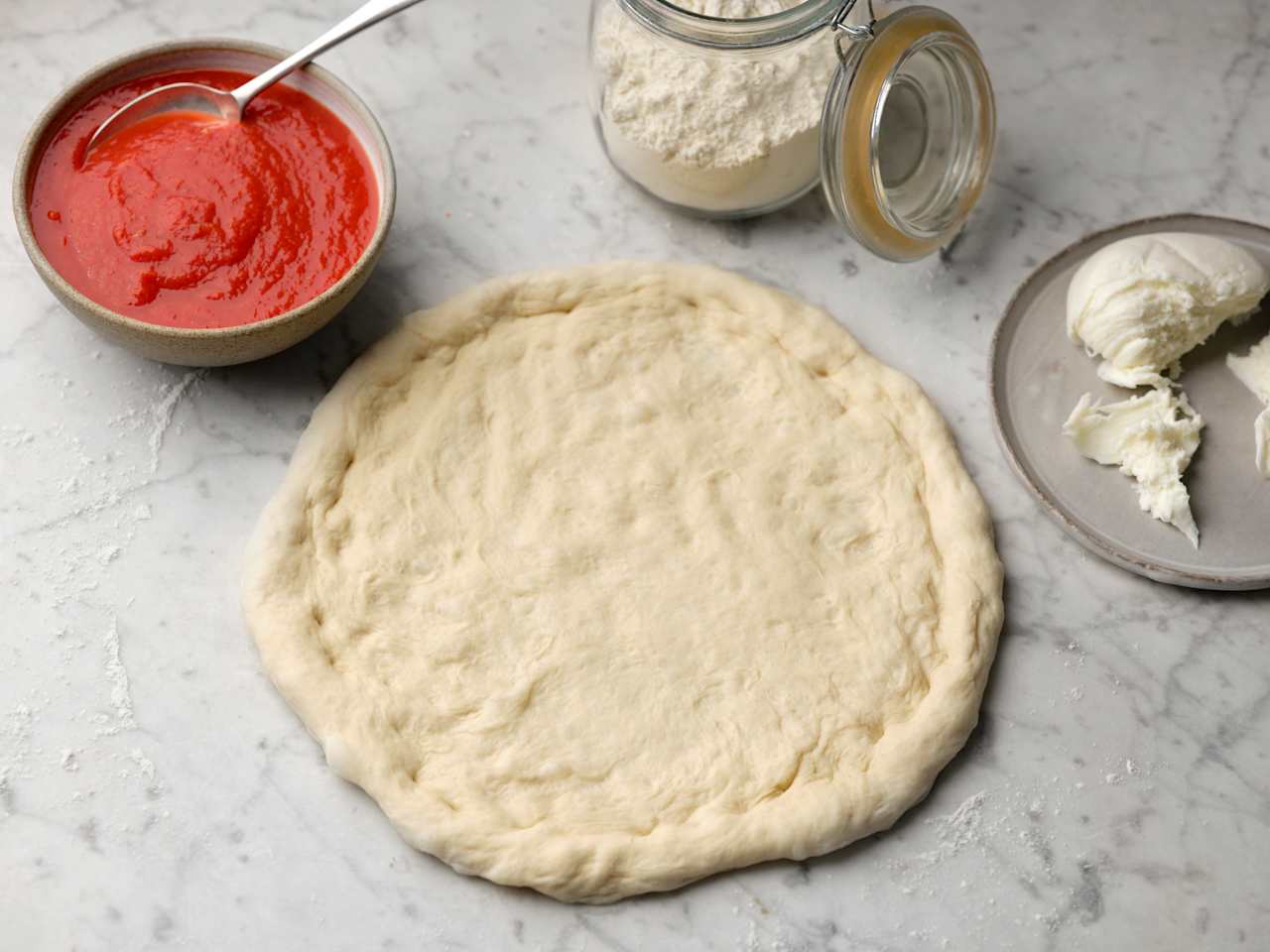
Yeast transforms sugar into carbon dioxide and ethanol, which helps bread rise and build flavor. It is most active at 90–95°F. For consistent proofing, place the dough in a greased, covered Varoma dish. Add 9 oz water to the mixing bowl and set Fermentation mode to 160°F. This creates a warm, humid environment of approximately 86°F in the Varoma dish to support an even rise.

Explore Bread

Fermentation Favorites

Top Tips:

  • • Lay the butterfly whisk flat in the Varoma dish and line it with parchment paper before placing the bread dough on top. This helps warm air circulate more evenly.
  • • Yogurt made in the mixing bowl ferments at a lower temperature, about 122°F, compared to the higher temperature of 160°F used for fermentation in the Varoma.
  • • While other types of fermented food can be prepared in Thermomix® (e.g. kimchi, sauerkraut, kombucha), using Fermentation Mode is not recommended as these types of ferments do not require heating.
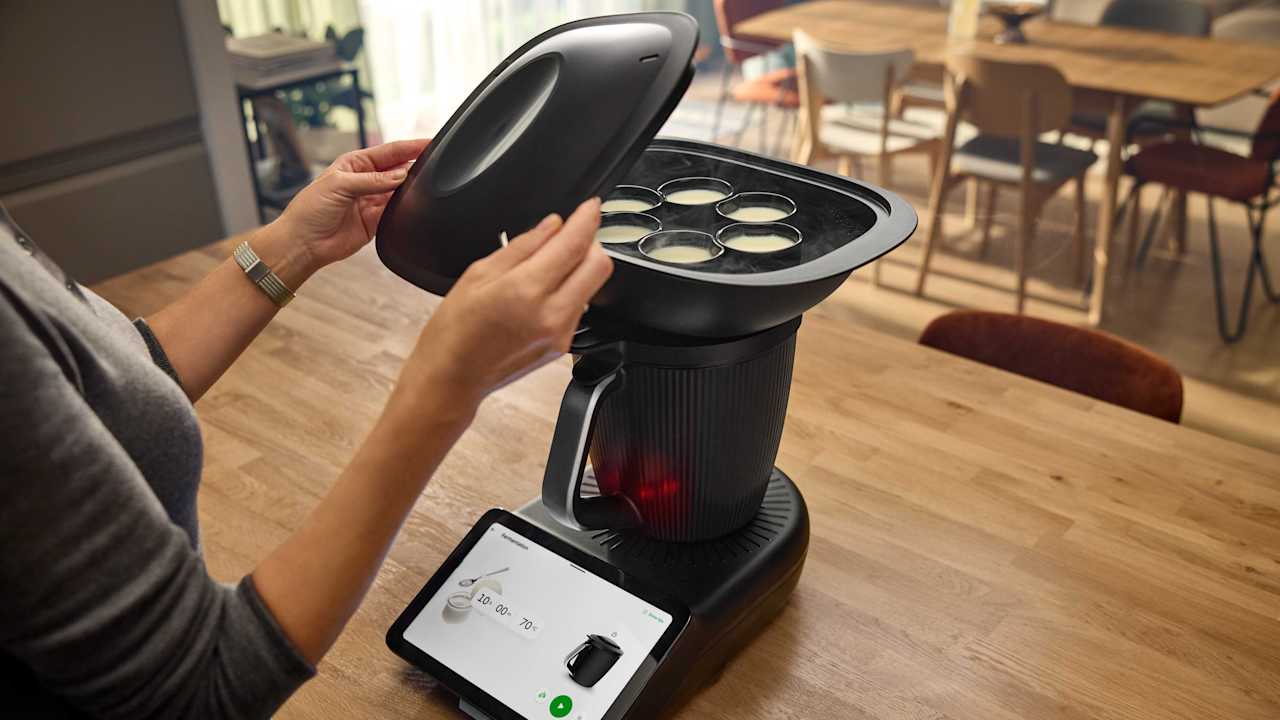
  • • Yogurt made in yogurt jars in the Varoma dish will be thicker than yogurt made directly in the mixing bowl.
  • • To protect against discoloration, add lemon juice or ascorbic acid to the water before fermentation.

Learn How to Make Yogurt Using your Thermomix®

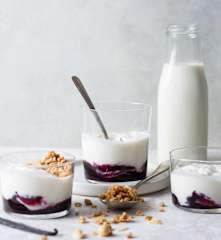
Yogurt is made when probiotic bacteria convert the sugars in milk into acid, creating yogurt’s distinctive flavor and texture. With Fermentation mode, keeping the yogurt warm and undisturbed is key to achieving the desired consistency.

Explore Yogurt Recipes

Must-try Recipes

Breadmaking

  • Gently press the dough after proofing. If the indentation does not bounce back, it has been over-proofed. The dough should slowly spring back.
  • If the dough is under-proofed, simply increase the proofing time until it has approximately doubled in size.
  • If the dough is over-proofed, punch it down to remove the air bubbles, then proof it again.

Yogurt Making

  • Ultra-pasteurized whole milk will give you a slightly thicker yogurt. Fresh whole milk can be used as well, but the final texture will be thinner. Avoid low-fat options, as they can affect the final result.
  • Once fermentation is complete, chill the yogurt in the refrigerator before serving.

Start Cooking with Fermentation Mode

From cheese to yogurt to proofing dough, discover Fermentation mode and see how it can help you go beyond your comfort zone.

Learn More