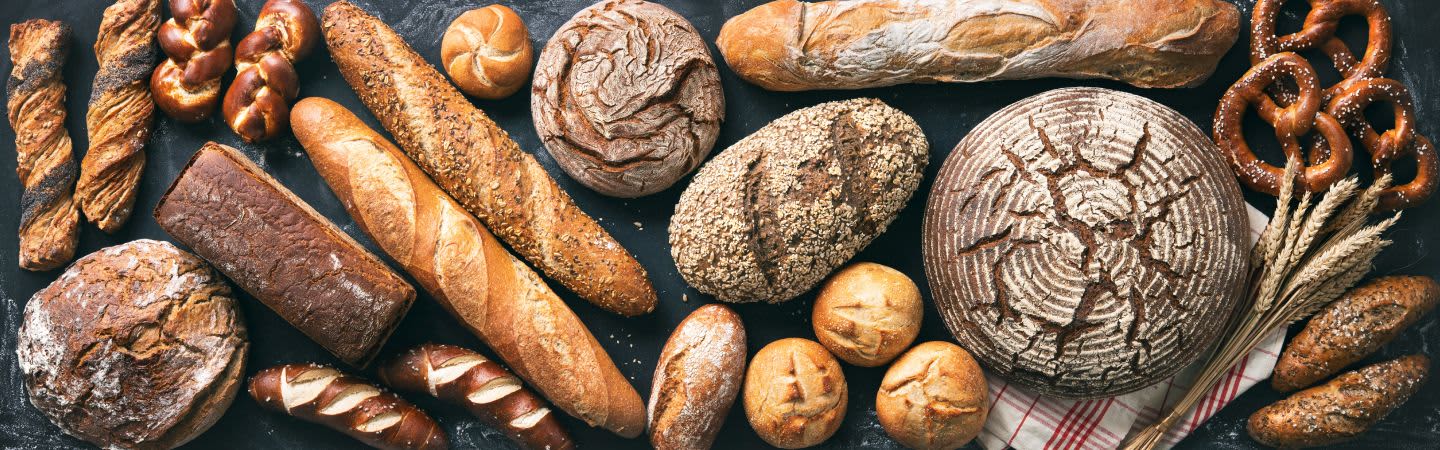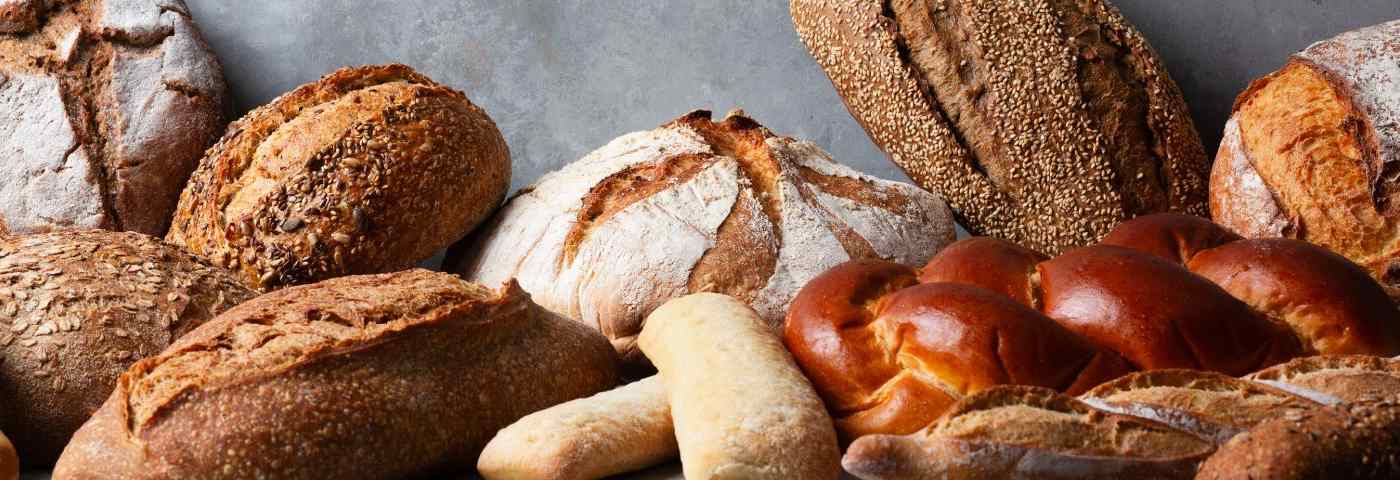
The more you taste, the more you realize that balance is everything. Join us on a journey through breads from around the world — whether they’re made with sourdough, yeast, or neither. Fall in love with bread made in the Thermomix®.
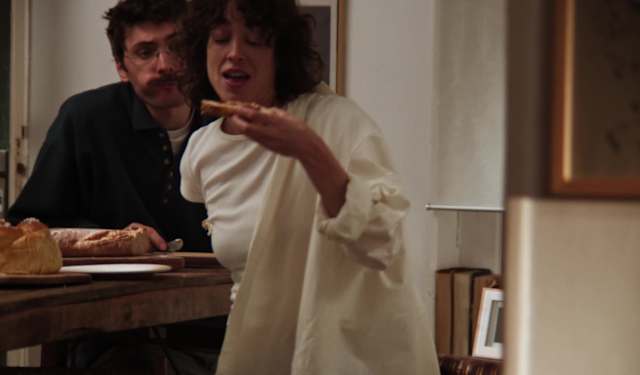
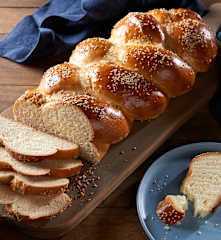
Bread is a passport stamped with places and moments — cumin that recalls Marrakesh, poppy seeds that remember Kraków. Each loaf carries its journey in the crumb. Sometimes yeast is invited to the table; sometimes we go without. Sometimes steam does the talking. However bread speaks, it asks for the same things: care and time. Take a piece and carry the story forward — the table will be waiting when you return.
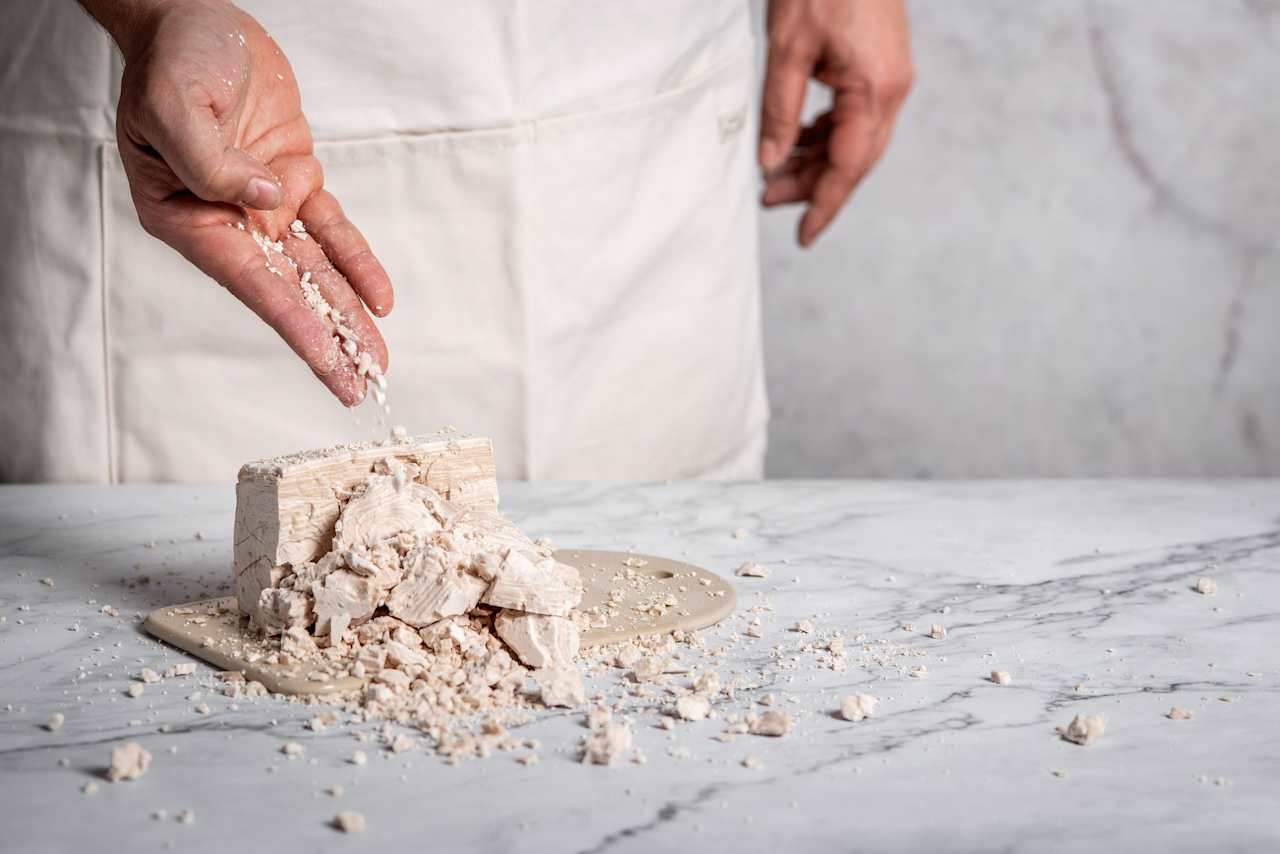
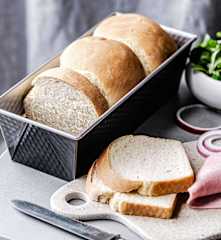
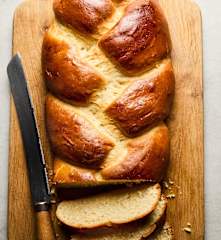
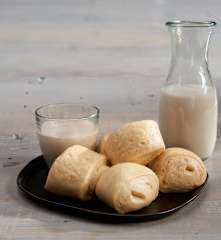
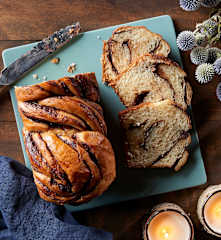
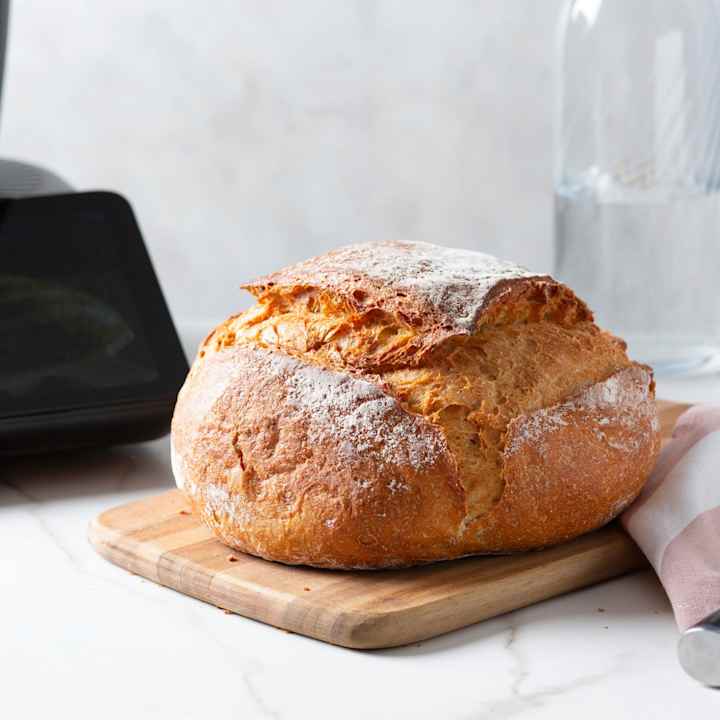
Whether you’re using fresh or dry yeast, the rule of thumb is simple: about three parts fresh yeast to one part dry yeast by weight. Treat yeast kindly, and it will reward you. Keep yeast doughs comfortably below 113°F, and let them proof at around 73 to 79°F. Avoid letting yeast come into direct contact with salt, and remember that milk, eggs, and butter enrich the dough but also slow it down. Give these doughs a little extra time to rise, and they’ll reward you beautifully. Let’s celebrate with a few delicious breads and buns, including Miniroscón de Reyes, a festive treat that proves patience really does pay off.
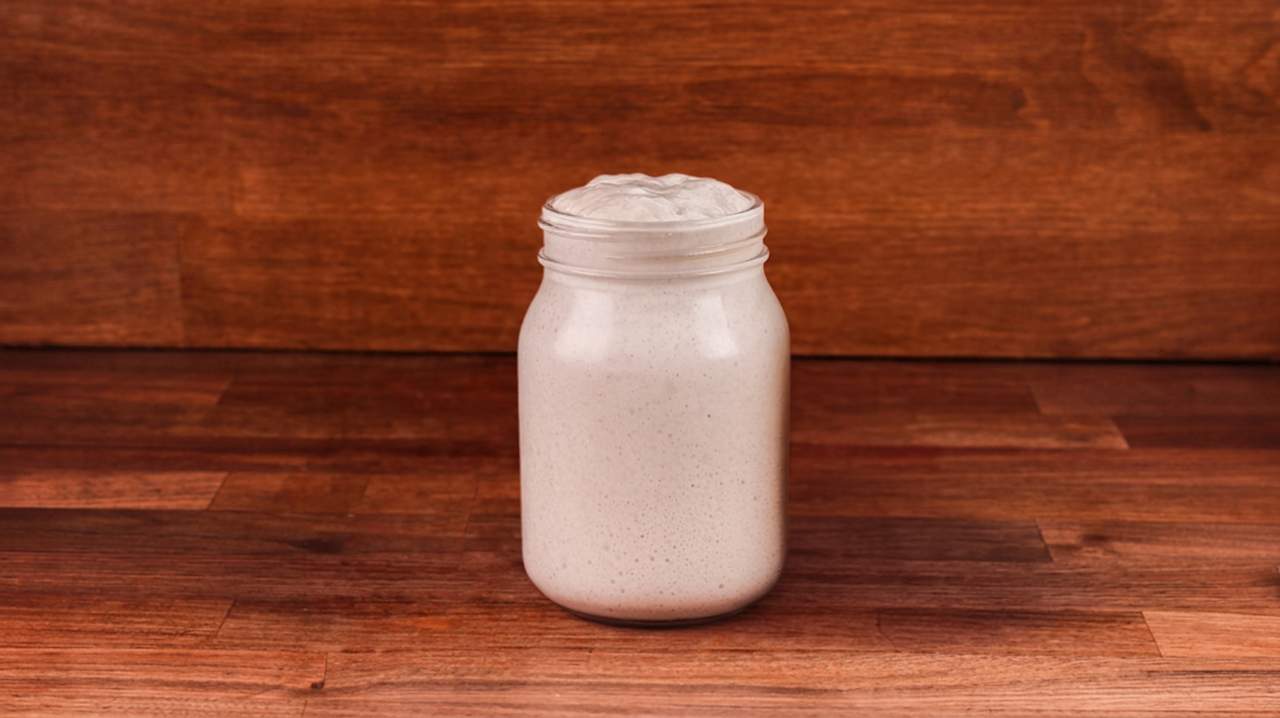
Some days begin with a little preparation for tomorrow. A poolish is made with equal parts flour and water, plus just a small amount of yeast. Left to rise for about 12 hours, it develops aroma, improves elasticity, and helps create a crisp crust. It works especially well in wheat doughs and can also support rye blends.
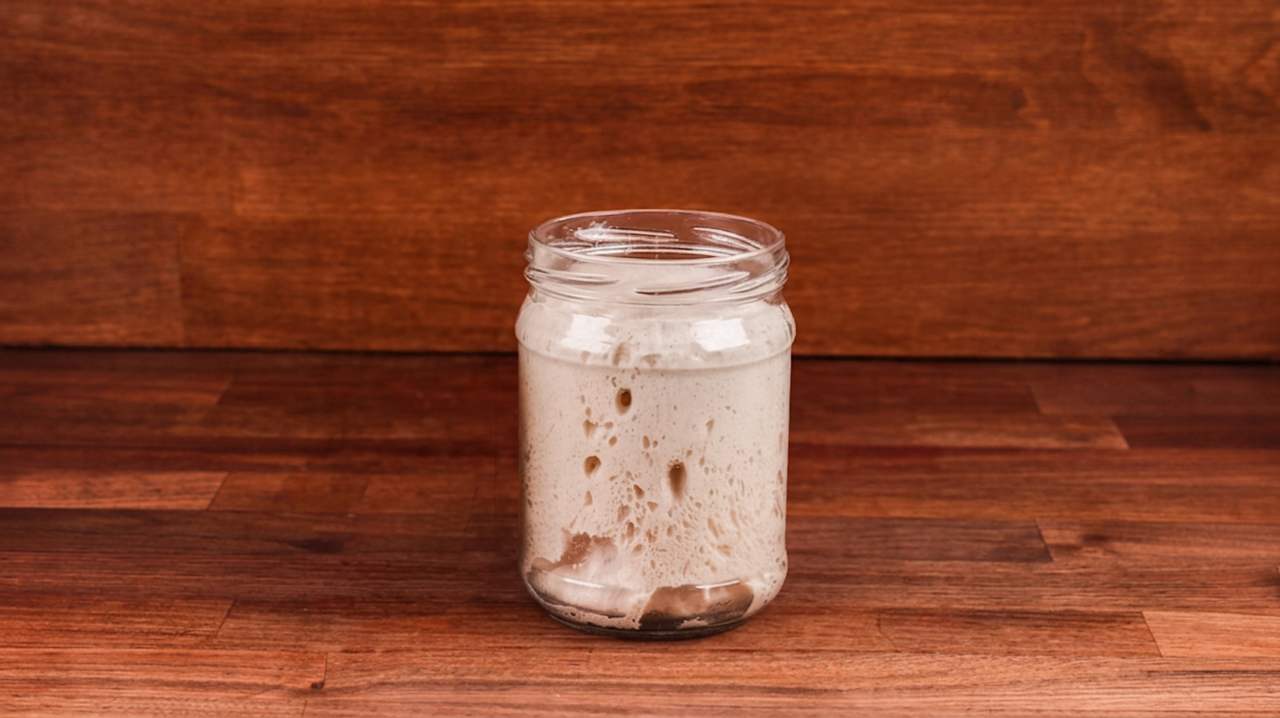
Sometimes, that little bit of tomorrow takes a different shape. A biga is firmer, with only 40 to 60 percent water and the tiniest pinch of yeast. Let it rest at a cool 59°F for 12 to 16 hours, or begin at room temperature for a little while before tucking it into the refrigerator overnight. It gives ciabatta its open, airy texture and works beautifully in richer doughs like brioche or Danish pastries.
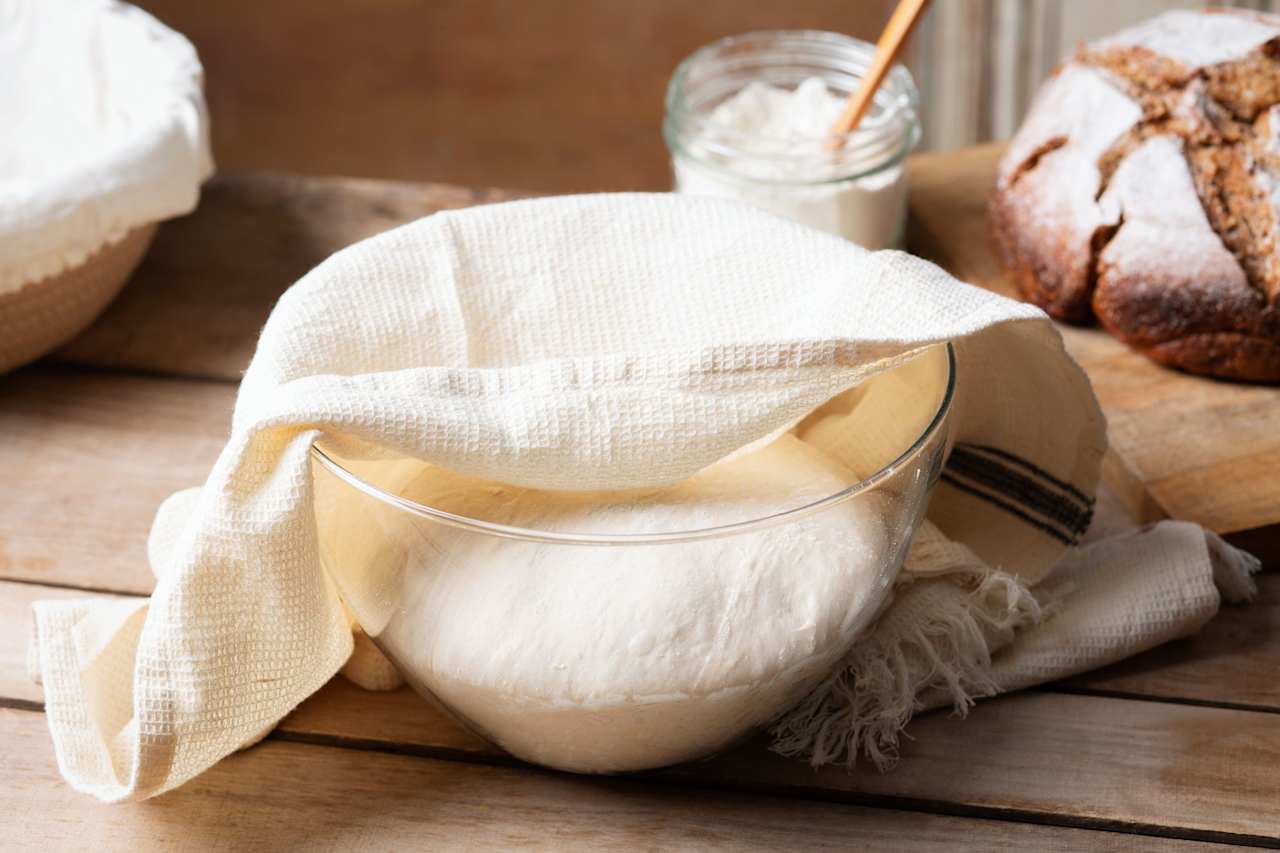
And then there’s autolyse, the simplest kind of magic: just flour and water, left to rest for 15 to 45 minutes so the dough needs less kneading, stretches more easily, and gives the bread a softer, more delicate crumb. These preparations are like setting the table before guests arrive — small acts that make everything that follows feel more effortless.
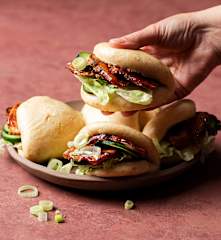
And then there’s the gentle rhythm of the steamer. In northern China, mantou shows how soft heat can transform dough into something almost cloudlike. Made with just flour, water and a little yeast, the dough is left to rise until light and airy, then steamed until soft and smooth.
Some days, you’ll find whole grain or milk-based variations; on others, sweet potato or pumpkin bring color and a gentle sweetness. For a little contrast, they can be lightly pan-fried after steaming, giving the outside a delicate finish while the center stays soft.
It’s a different path to comfort, but the same care is always there in the making.
If bread is a passport, pour a cup of tea as there are many more stamps to discover. Bagels were boiled first and baked long before they became a city breakfast: chewy on the outside, soft within, ready to split and fill.
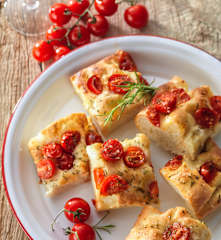
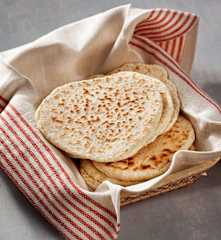
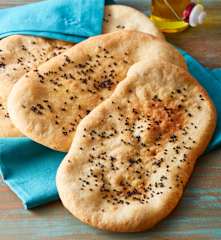
Batbout from Morocco is a semolina-kissed flatbread cooked in a pan, perfect for scooping up tagine or for a quick sandwich. Ciabatta, with its high hydration and airy bubbles, has an open crumb and a crisp crust– perfect for a juicy slice of tomato. Focaccia brings the flavors of Liguria, its olive oil-rich dough topped with rosemary, onions, or olives and shared by tearing at the table.
In Greece, sesame-coated koulouri is both crisp and tender, a perfect street breakfast. Mexico’s pan de muerto is soft and fragrant, made for November mornings, with hints of anise and orange. Naan, pressed against the walls of a tandoor, arrives at the table still steaming, brushed with butter or ghee.
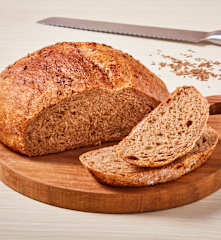
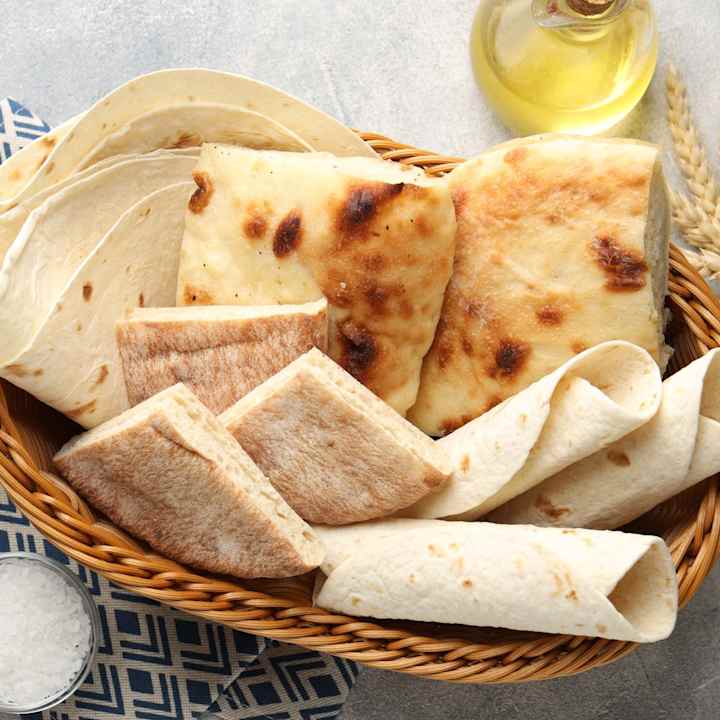
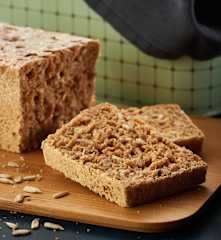
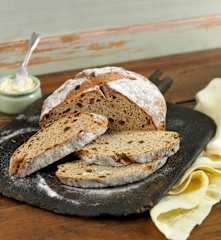
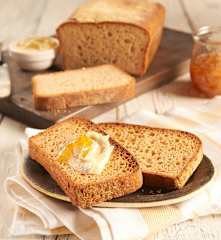
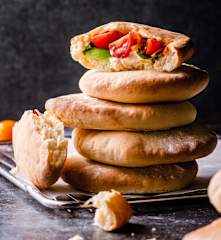
German rye bread is sturdy, with a dense crumb and a thick crust, making it the perfect partner for soups and cheeses. Irish soda bread needs no fermentation at all — just baking soda and buttermilk to bring it to life. And pita or tortillas — whether puffed into pockets in a blazing oven or warmed on a hot griddle for tacos — prove that flat can still be full of life.
Preferments and Main Doughs:
Fermentation Mode:
Steaming Option:
Consistent Kneading and Mixing:
Now take a warm slice, tuck it into a napkin, and step back into your day. Wherever you go - Marrakesh by spice, Kraków by seed, or simply your own street - carry the story forward. The table will be waiting when you return, and there will always be room for another stamp in the crumb.